1 July 2026
Cancer care should include more than your oncologist
Of course, you want the tumour to shrink. That’s the hope everyone is holding on to. But there is also the day-to-day reality of the person going through treatment. Can they eat? Can they sleep? Do they feel like themselves at all?
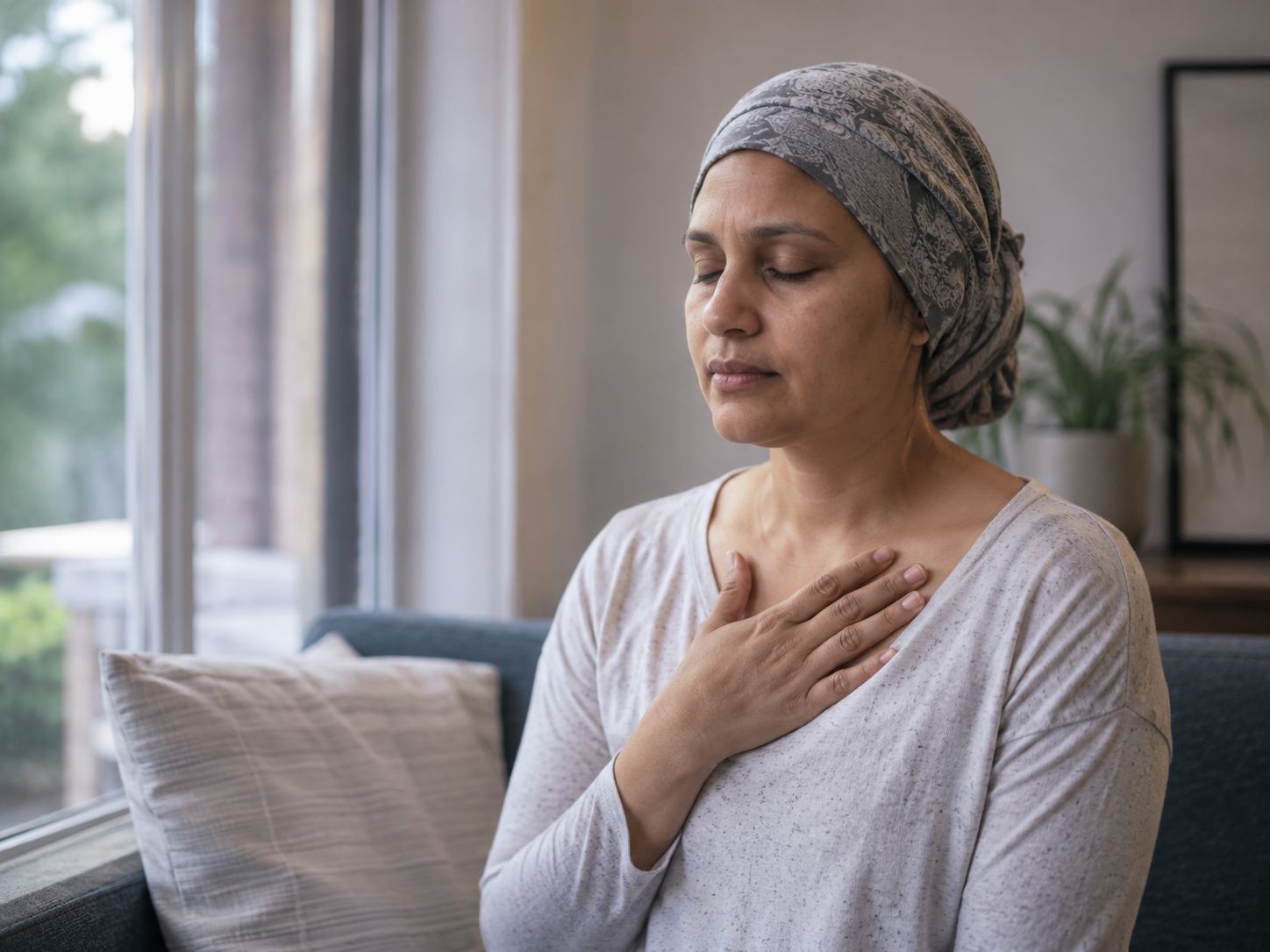
Maybe cancer care is not only about treating the disease, but about helping a person live through everything the diagnosis brings with it? My conversation with integrative wellness doctor, Chérine Bazzane, made me think about this more deeply.
On two separate occasions, I was in the room when people I love were given cancer diagnoses. I still remember how, both times, the atmosphere changed. It had already been fraught with anxiety, with the knowledge that something was wrong, but the word “cancer” brought something new to the room. Terror.
And everybody had an opinion on what to do next: what treatment worked best, what foods to avoid, which doctor to call. But nobody seemed to know what to do about the terror of it all. In my case, the unthinkable, bone-chilling horror of your child receiving a cancer diagnosis.
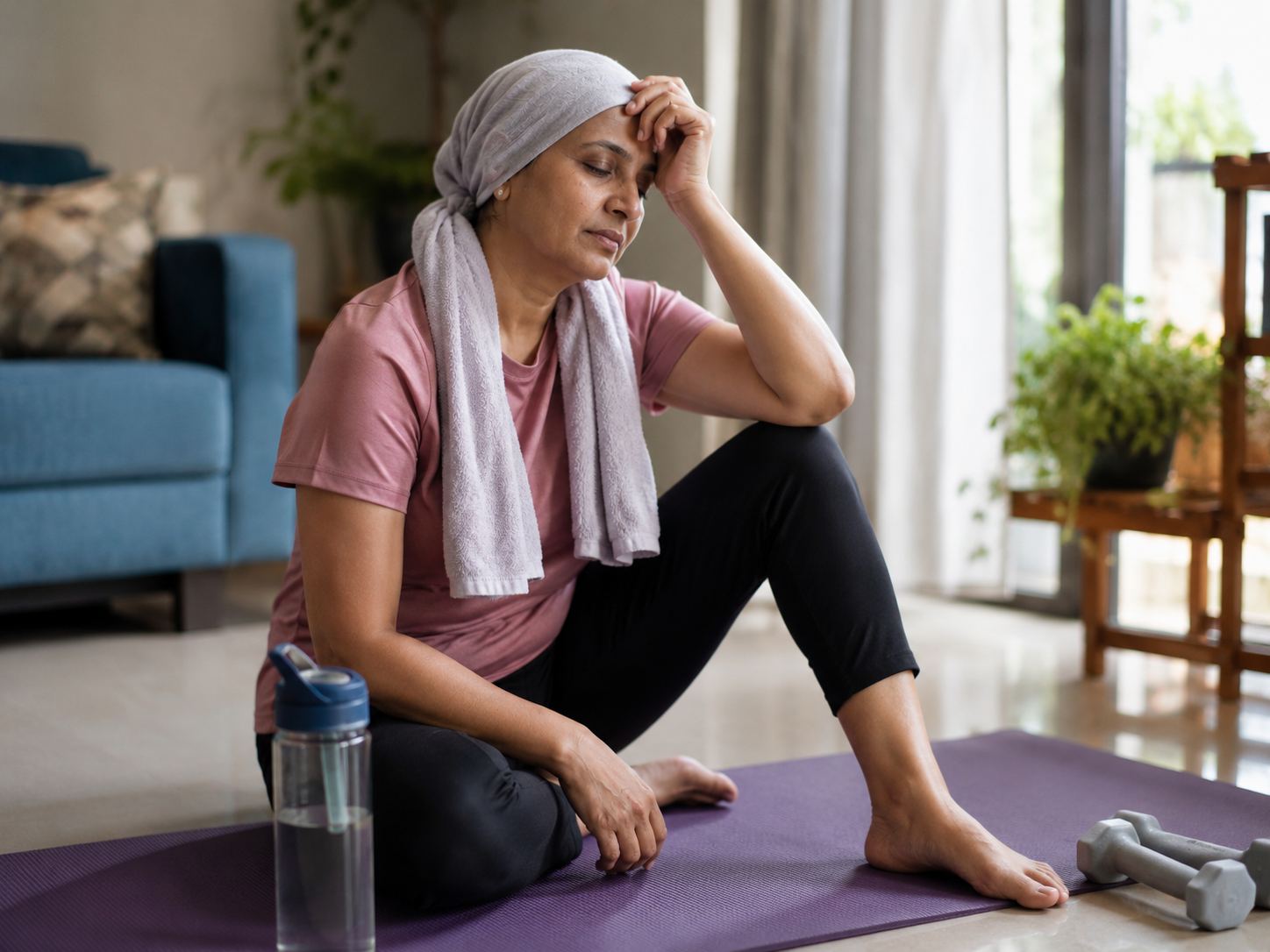
But if it was terrifying for me, standing around the diagnosis, what must it be like for the person whose body is suddenly the subject of every conversation? The person being examined, tested, spoken about, reassured, advised, watched.
That is the part of cancer care we don’t speak about enough. Treatment begins in a hospital, but the diagnosis enters every part of a person’s life. It affects the body, of course. It also affects sleep, appetite, identity, energy, and the basic sense of being safe in one’s own life.
In this episode of The Wellness Algorithm, I spoke to Dr Chérine Bazzane about integrated cancer care. What stayed with me was her insistence that medicine has to see the whole person. The tumour matters deeply. So does the person living through the treatment.
When Medical Knowledge Still Leaves You Unprepared
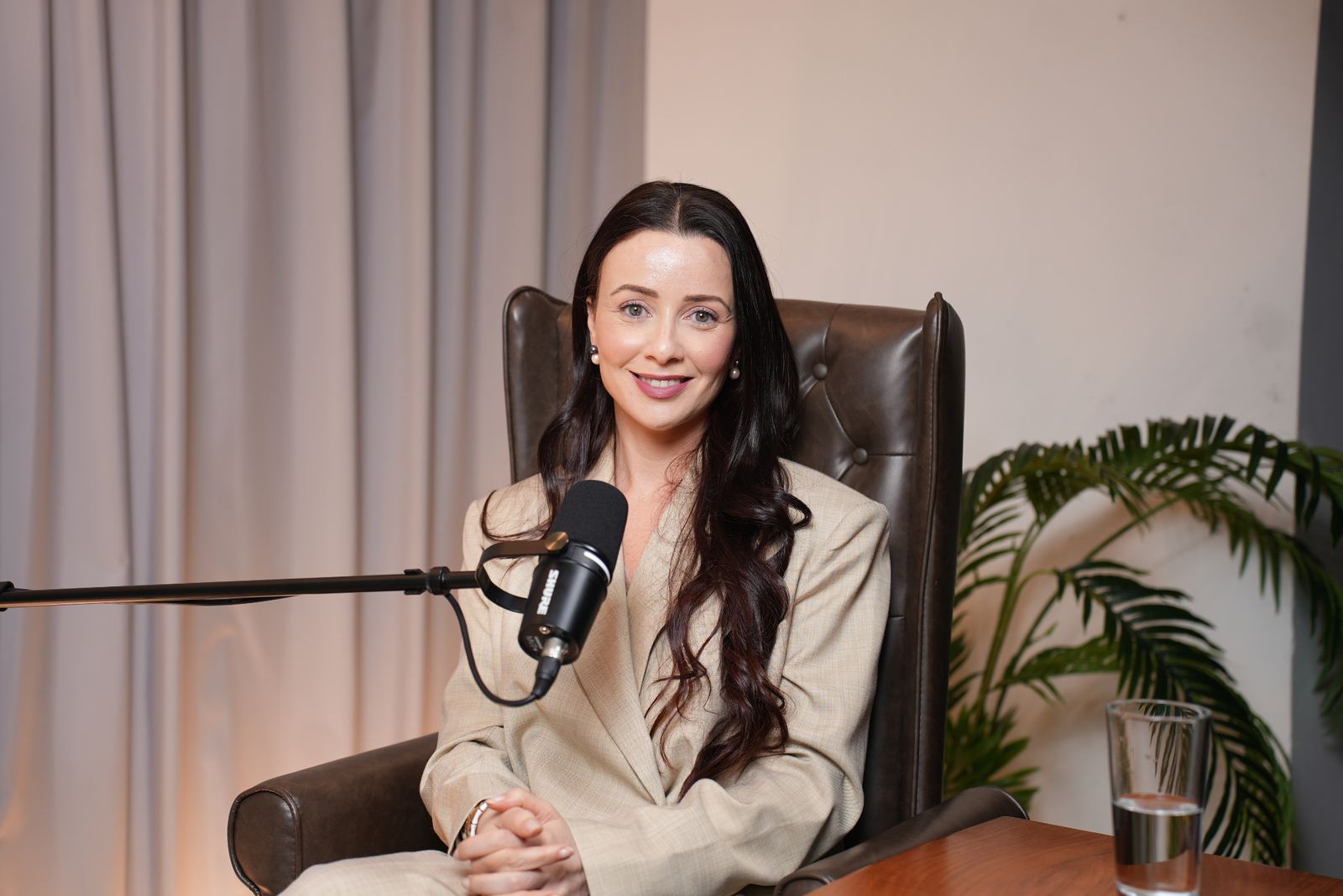
Dr Chérine’s understanding of cancer care is also personal. When her father was diagnosed, she was already a doctor, already a specialist, and in the final year of her family medicine residency. Still, she told me, the experience left her feeling lost.
“What is integrated cancer care? I did not have that answer, being a doctor who studied for 11 years. I was already a doctor and a specialist when my dad got cancer. Believe me when I tell you, I had zero clue about any of what was going on.”
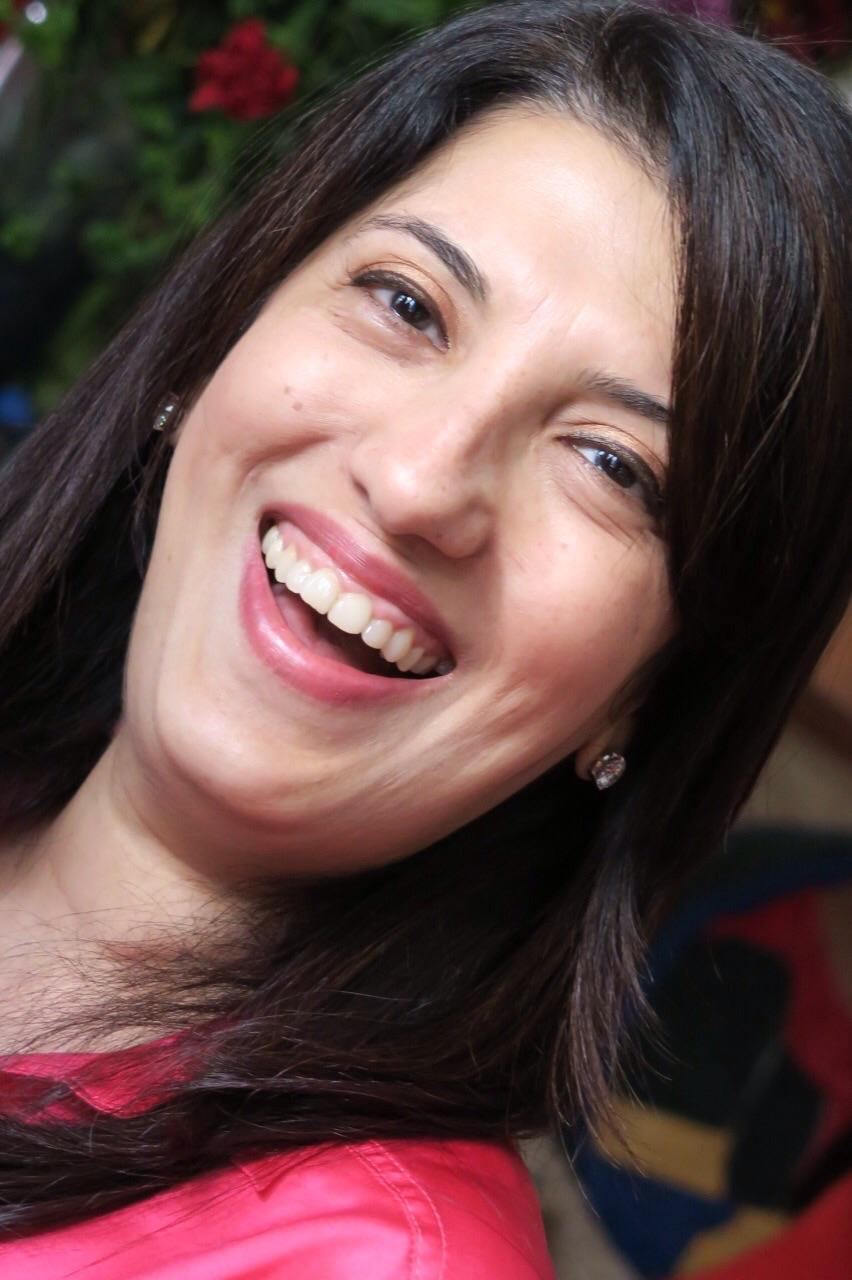
Similarly, Tarana Khubchandani, also a doctor, found that medical knowledge did not prepare her for the emotional reality of cancer. When she was diagnosed in 1999, she was in her thirties, with two young children.
“I didn’t know anyone else in their thirties going through what I was going through,” she told me. “I didn’t feel like I had anyone I could reach out to. It was just my husband and me.”
The loneliness that Tarana felt prompted her to take matters into her own hands. “I realised that if I could play the role of an emotional caregiver, then that is what I would want to do,” she said. “It was catharsis for me.”
That led to Whispering Hope, an educational guide she created with Surgical Oncologist Dr Vijay Haribhakti to address the concerns she felt were missing from care, especially around quality of life and coping after diagnosis.
Tarana’s work was a response to the same gap that I discussed with Dr Chérine: so many patients appear to lack someone who can help them make sense of what they are living through.
Because if a doctor can feel overwhelmed by cancer care, what happens to a family that has no medical background? What happens to the person trying to understand scans, side effects, appointments, nutrition, pain, sleep and prognosis while their whole life feels as though it has been interrupted?
Integrated care begins by recognising that this is too much for one person to navigate alone.
What Integrated Cancer Care Really Means

Dr Chérine described the integrated model as one “where the patient is at the centre of care, where the outcomes are based on their satisfaction and their quality of life, rather than if the tumour shrank or not.”
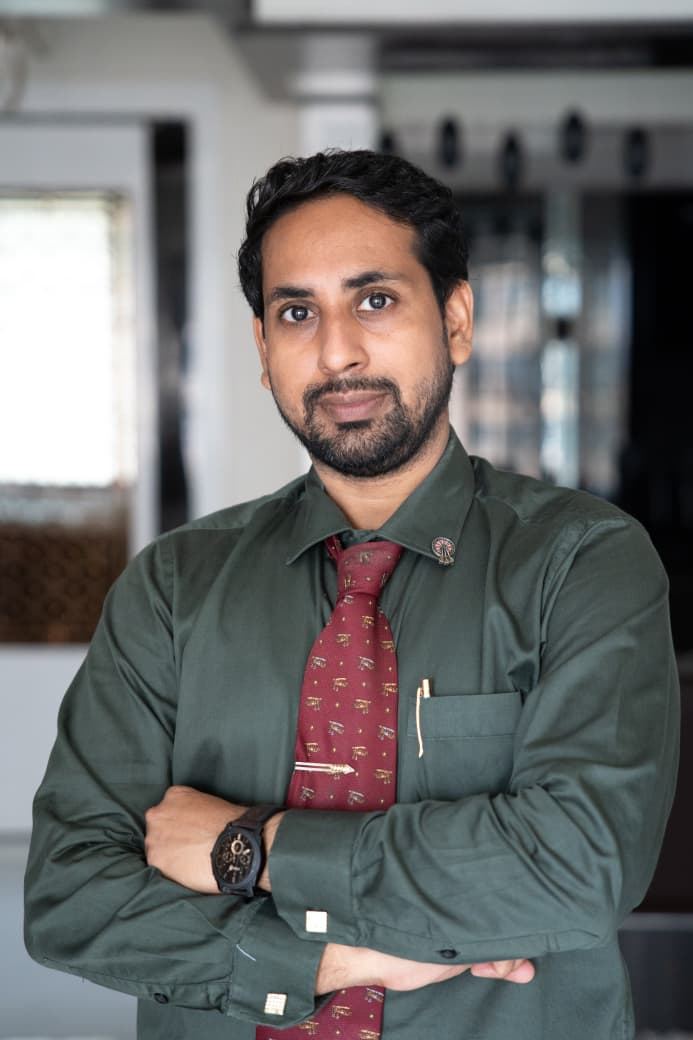
That focus on quality of life is also at the heart of palliative care, although the term is still widely misunderstood. As Dr Sunil Dhiliwal, a Mumbai-based palliative and supportive care specialist, told me, “Miscommunication around palliative care is very high. Some people have never heard of it, while others think it only means end-of-life care. Ideally, palliative care begins early and runs alongside curative care.”
In other words, palliative care does not mean giving up on treatment. It means caring for the person while treatment is happening. As Dr Dhiliwal put it, “The oncologist is treating the cancer. We are treating the person suffering from the cancer.”
Of course, you want the tumour to shrink. That’s the hope everyone is holding on to. But there is also the day-to-day reality of the person going through treatment. Can they eat? Can they sleep? Do they feel like themselves at all?
I wish that it was more normalised for cancer care to include these questions. Not as an afterthought, but as an integral part of the whole picture. Because a cancer diagnosis is also lived in the hours between appointments, in the exhaustion after treatment, and the moments spent with your family and friends. In the small ways a person tries to keep going.
When Love Becomes Too Much
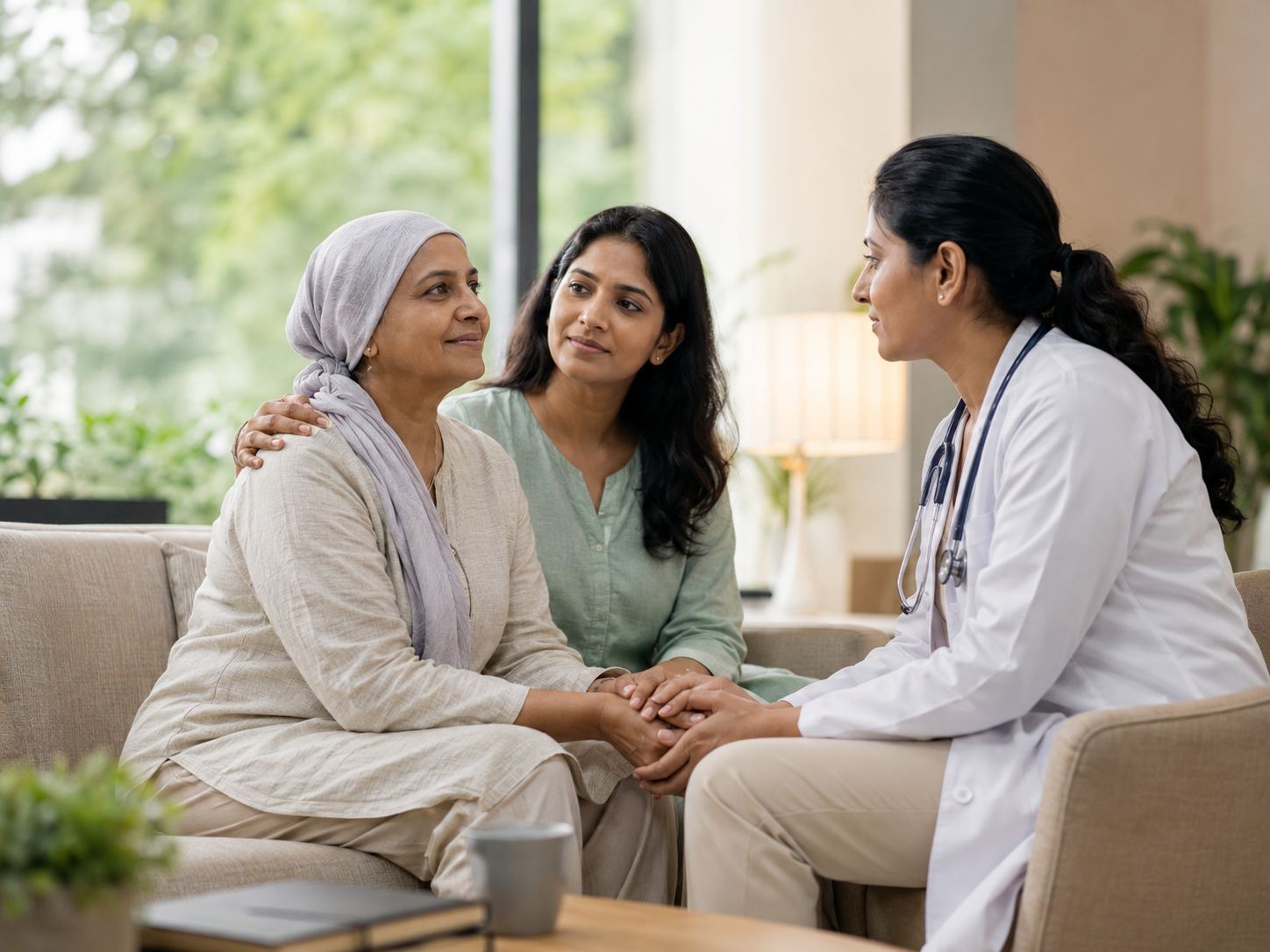
One of the most practical parts of our conversation was about family.
In South Asian families and many collectivist cultures around the world, illness rarely affects one person alone. The family gathers around it. People call. People visit. People send remedies, doctor names, diet plans, stories and opinions.
This is a beautiful part of our culture, and it comes from a place of love. But love can feel too heavy when it shows up as advice.
The patient is already receiving more information than they can process. Every extra opinion can become another responsibility. Another thing to consider. Another thing to feel guilty about.
Sometimes help is much simpler. Leave food at the door. Send a message without expecting a reply. Ask what is needed, and respect the answer.
Your feelings when a friend or family member is ill are valid. But they’re just that – your feelings. They shouldn’t become yet another thing the patient has to manage.
In my conversation with Dr Dhiliwal, he pointed to a difficult reality in India. “A lot of the time, we don’t talk about what the patient wants and needs,” he said. “Decisions are often made by the family. I have come across situations where the patient does not even know they have been diagnosed with cancer.”
Families may act out of love, fear or the desire to protect. But person-centred care has to value the individual.
Patterns, Agency and Healing
Another idea that stayed with me from our conversation was her view on patterns. Dr Chérine believes healing often asks us to look honestly at the ways we have been living, coping and responding to life.
She spoke about the habits, fears, beliefs and ways of coping that can sit underneath the surface of a life. Illness, she suggested, can force a person to look at these more honestly. There is no blame in that. There is only the possibility of seeing yourself clearly enough to change something.
As she put it, “the moment you see the pattern, you can break the pattern.”
This could easily be misunderstood, so the distinction is important. This isn’t about blaming the patient for becoming ill. It’s about helping the person recover a sense of agency at a time when so much feels out of their control.
It asks the question: what have I ignored in myself? Where have I been overriding my body? What kind of support am I ready to receive?
Dr Chérine offered simple tools for beginning that process. The first fifteen minutes of the morning, she said, can become sacred. No phone. No email. Just space to sit, breathe, pray, meditate or journal.
My Takeaway
What I took from this conversation is that cancer care has to become more complete.
We need excellent oncology. We need research to keep advancing. Alongside that, we need care that understands the person living through the diagnosis.
Cancer patients need someone to ask about pain before it becomes unbearable. Someone to think about food, sleep and activity. Someone who puts the patient’s quality of life first.
As Dr Chérine said, a human being is psyche, body and soul. I’d like to reframe this by adding that an illness is psyche, body and soul, too. When illness enters one part of the system, the whole person feels it.
Cancer care has to meet the illness with science, and the person with humanity.