13 July 2026
The Complex Hope of Gene Therapy
Gene therapy asks us to think about prevention before illness begins, and to face the discomfort of changing biology while remembering that disease changes lives too. After my conversation with Dr Patrick Sewell, I began to see it as a deeply layered and human conversation — about what medicine may soon be able to change, and what people are ready to know, afford and act on.
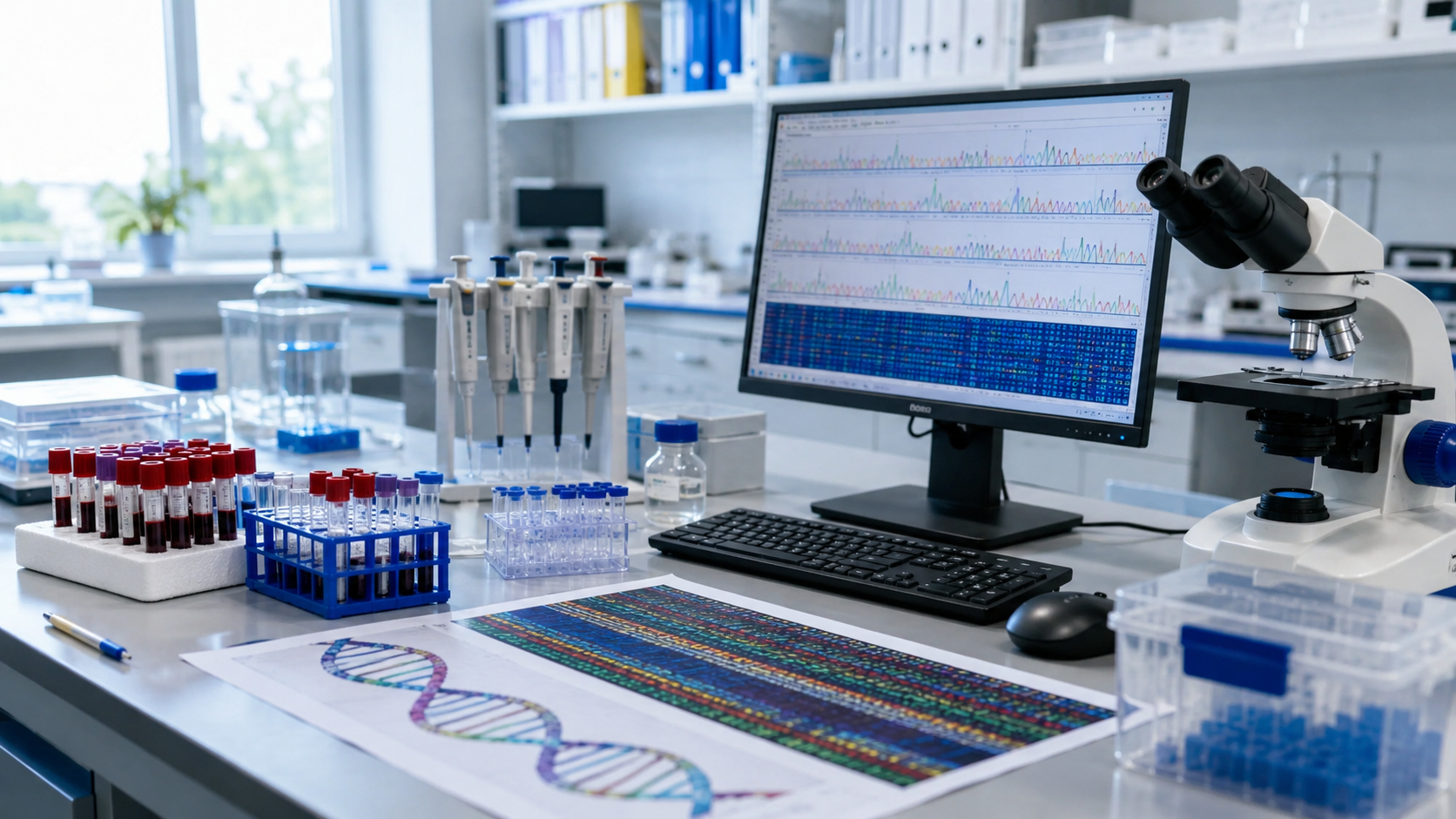
Gene therapy is the possibility of treating disease at a deeper level, and at an earlier stage, than we have been able to before. But it also touches something as intimate as our genes. After my recent conversation with Dr Patrick Sewell, I began to see it as a deeply layered, and very human, conversation.
When illness enters a family, it’s more than a diagnosis.
It becomes a series of searches. Discussions around treatment options. Reading survival stories and, sometimes, stories of loss. Becoming aware of genetic links. What this might mean for siblings, children, parents and the future. Even before any formal genetic testing, many families begin asking questions that are really about inheritance, risk and fear.
That’s why I have always found gene therapy difficult to place.
Part of it sounds like extraordinary medicine: the possibility of treating disease at a deeper level, and at an earlier stage, than we have been able to before. But something about it feels almost uncomfortable, because it touches something as intimate as our genes.
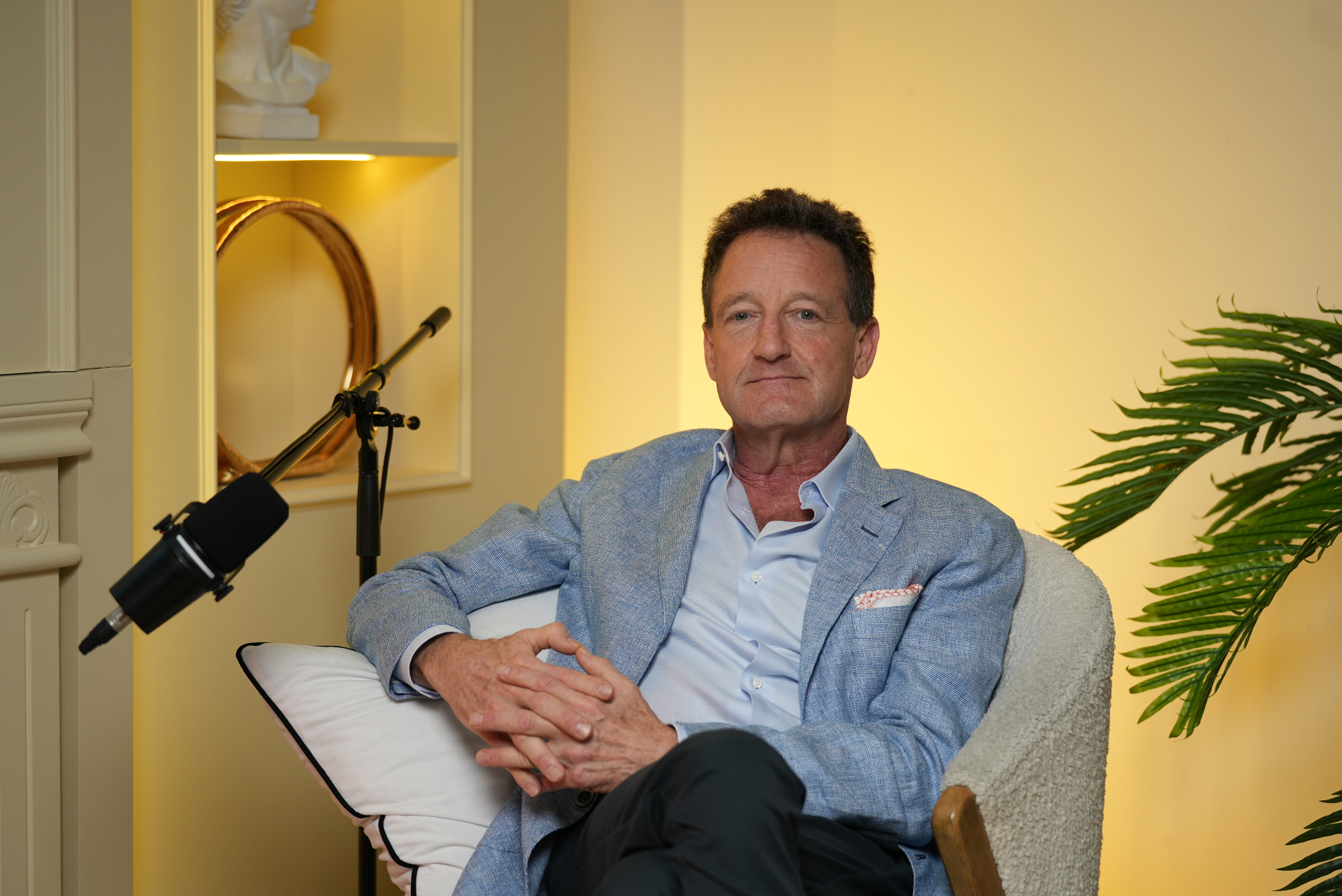
Genes may be biological instructions, but emotionally, they hold much more. They carry ideas of family history and fate. The parts of ourselves we didn’t choose. But with the possibility of gene therapy, the question becomes, if you could choose, would you?
The more I explored gene therapy, especially through my recent conversation with Dr Patrick Sewell, the more I began to see it as a deeply layered and human conversation. It’s about what medicine may soon be able to change. It’s also about what people are ready to know, afford, understand and act on.
Hope Has to Meet Reality
The promise of gene therapy is powerful because it suggests that some diseases may one day be treated closer to their source. For conditions where existing treatments are limited, extremely intense or painful, that possibility carries enormous meaning.
It also changes the timeline of medicine. Treatment has often meant responding once disease appears. Gene therapy opens up a different way of thinking: earlier, more precise and, in some cases, potentially more lasting.
It is easy to feel hopeful when thinking about what gene therapy could become. There is something deeply moving about the idea that a disease which once felt inevitable might one day be slowed, treated or even prevented at its source. But hope in medicine always has to travel through real systems: hospitals, referrals, costs, awareness, insurance, geography and time.
That’s where I feel the question becomes more complicated. A treatment can be scientifically possible and still feel very far away from the person who needs it.

Board-certified genetic counsellor Reena Trivedi offered a reality check when I spoke to her. She said, “Gene therapy is going to be extremely helpful, but unfortunately I feel that in a country like India, it will inevitably be expensive.”
Reena also made clear that the challenge begins much earlier than treatment. Reports have to be interpreted properly. Families have to be referred to the right specialists. Medical teams need to know when genetic counselling is needed. She explained that diagnoses for genetic disorders can take years, often because the systems around patients are fragmented or underprepared.
That is a sobering context for gene therapy. A future treatment that depends on genetic understanding has to be supported by the systems that help people reach that understanding in the first place.
Genes Are Never Just Information

The science of gene therapy may be technical, but the experience of genetic disease is deeply personal.
Reena described the emotional weight families often bring into genetic counselling. “The knowledge that a disorder runs in your family can be emotionally traumatising,” she said. “It is difficult for families to understand the science of the genetic disorder and also navigate the emotional aspects that come with the report.”
She also spoke about the grief that can come with genetic knowledge. In her work with families affected by inherited conditions, she told me she has seen how the emotional burden can stay with those who survive. A person may find themselves asking why they were spared, or whether another person in their family should have lived instead. Her point was that genetic information needs more than scientific explanation. It needs room for survivor’s guilt, confusion and the strange loneliness that can come with knowing something about your risk before knowing what to do with it.

That emotional context is part of what makes gene therapy so compelling. It offers the possibility that inherited disease may not always have to be met with helplessness, or with the painful confusion of watching illness move through a family without knowing who it will touch next.
It suggests that the future may contain more than monitoring, waiting or trying to prepare for illness before it appears.
Prevention Is Personal
One of the most interesting parts of gene therapy is the possibility of intervening before illness fully arrives.
We already know how emotionally complex prevention can be. The public conversation around inherited cancer risk often returns to Angelina Jolie and her decision to have preventive surgery after learning about her genetic risk. Behind every preventive decision, though, there is a private reckoning with timing, fear, identity and readiness.

My conversation with Dimple Bawa, a breast cancer warrior and founder of the Cheers to Life Foundation, brought that into sharper focus. She told me that when she was first advised to consider genetic testing during breast cancer treatment, she refused. “I felt that my fight was with my present cancer,” she said. “I didn’t want to waste my energy thinking about future cancers that may occur.”
Years later, she chose testing. Even then, she did not rush into prophylactic surgery. She wanted to know her options first. She wanted time to understand her risk, consider her life stage and decide when, or whether, preventive surgery felt right for her.
For Dimple, knowledge was empowering because it gave her choices.
“If you know your risk, you can make informed choices. Whether you decide to go under the knife, or don’t. You’re in a better position to take care of yourself.”
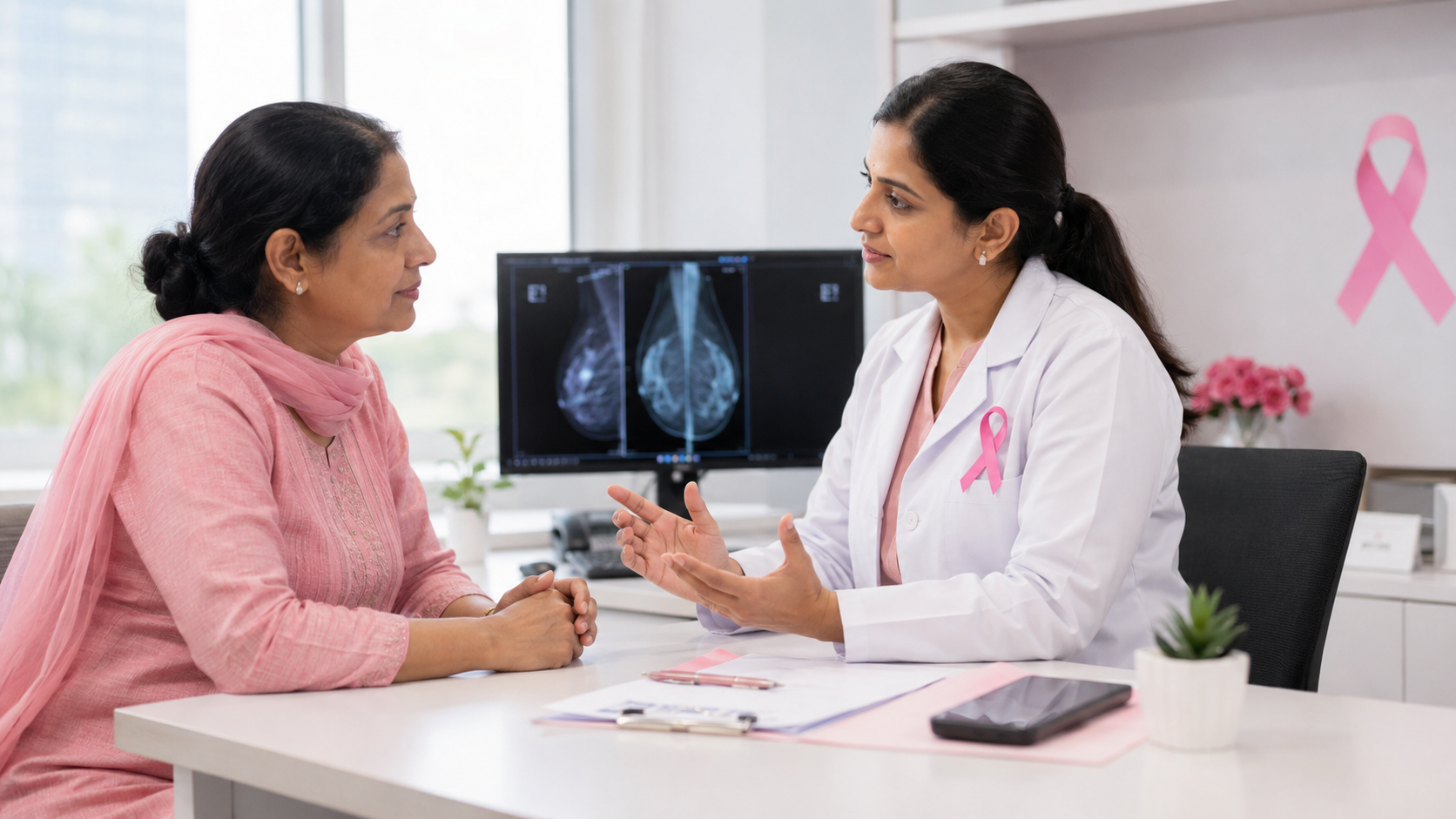
This is why the idea of preventive gene therapy is so important. If medicine begins to move earlier, before illness has fully appeared, people may have more room to make decisions before they are in crisis.
Dimple’s story shows why timing is so important. A person may want to understand their risk before acting on it. They may choose monitoring first. They may need time before deciding on anything irreversible. Risk may be biological, but good prevention has to meet the person where they are: in their body, their hopes and their preparedness.
That is the version of prevention worth protecting: informed, personal and free from panic.
What Are We Afraid of Changing?

Perhaps the deepest fear around gene therapy is the fear that changing our biology might change who we are.
When I raised this with Patrick, his answer shifted how I thought about the question. He spoke about the many ways life already changes us: illness, ageing, memory loss, depression, trauma, pain. We are already changed by things we cannot always predict or control. Gene therapy raises a different question: what happens when change becomes something medicine may be able to guide?
That doesn’t make gene therapy simple. It doesn’t remove the unknowns. It does, however, make the fear of being changed more complicated. If life and illness can alter us without our consent, gene therapy asks whether medicine might one day help us direct change rather than simply endure it.
Illness changes people. Dementia can alter memory and personality. Severe depression can change how a person experiences the world. Chronic pain can shape mood, sleep, relationships and identity. Addiction can change a person’s relationship with craving, choice and control.
If future gene-based treatments can reduce some of that suffering, the question becomes more complicated than whether medicine changes us. We also have to ask what kinds of change illness would otherwise force upon a life.
My Takeaway
Gene therapy asks us to think about prevention before illness begins. It asks us to imagine treatments for conditions that have long felt difficult to reach. It asks us to face the discomfort of changing biology while remembering that disease changes lives too.
It also asks practical questions about access, affordability, awareness and support. The future of gene therapy will depend on more than scientific possibility. It will depend on who can access it, who can afford it, who explains the risks clearly and who supports families when genetic information brings fear, guilt or grief.
I do not think fear is the answer. I also do not think uncritical excitement is enough.
For me, the response is cautious curiosity.
Gene therapy may change medicine in ways we are only beginning to understand. If it is going to serve patients well, the conversations around it have to be as thoughtful, accessible and human as the science is powerful.
Listen to the episode
Gene Therapy Explained: How It Could Transform Your Health
with Dr Patrick Sewell