23 July 2026
Radiation Therapy Has Changed. Our Understanding Hasn’t
Radiation therapy is often imagined as a long, punishing ordeal. Yet modern treatment can be brief, precise and almost impossible to feel as it happens. My conversation with Dr Madhur Garg made me think about the gap between the cancer care many of us fear and the treatment that now exists.
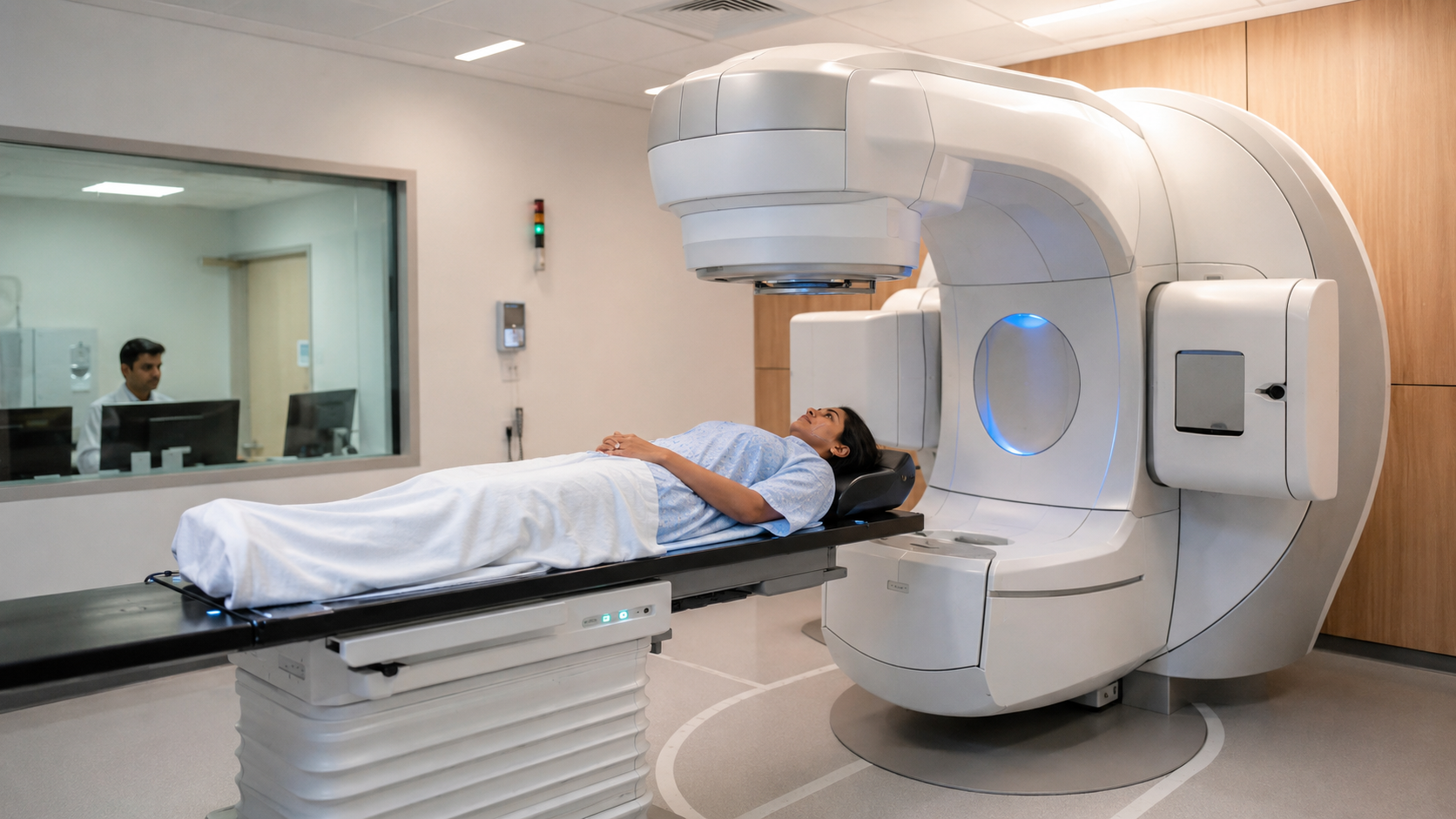
Radiation therapy is often imagined as a long, punishing ordeal. Yet modern treatment can be brief, precise and almost impossible to feel as it happens. My conversation with Dr Madhur Garg made me think about the gap between the cancer care many of us fear and the treatment that now exists, and how understanding what happens beyond the patient’s view can make an invisible process feel less frightening.
At the beginning of my conversation with Dr Madhur Garg, I described cancer treatment as a rabbit hole. A journey which looks different for everyone, but more often than not, is accompanied by profound confusion and anxiety. The question of where to begin and what to do next.
Before someone knows what radiation therapy will involve, they may already be imagining weeks of exhaustion, severe side effects and a body being pushed through something unimaginable.
What stayed with me was the contrast between the treatment many of us imagine and what modern radiation can actually look like. Dr Garg described patients fitting treatment around work, coming in before the day begins or during a lunch break. Others may leave the hospital and go straight back to the ordinary rhythms of family life.
Cancer remains life-altering. Yet a treatment capable of destroying a tumour may take only a few minutes and produce no immediate sensation. That contrast made me think about how strongly we associate effective treatment with visible suffering.
When treatment looks different from what we expect
The experience of receiving radiation in modern times may bear little resemblance to everything a patient has imagined beforehand. The machine moves around them as they lie still, yet they may feel no heat, pain or sensation as the treatment is delivered. A few minutes later, they may be able to get up and leave. There is a strange contrast between the significance of what is happening inside the body and how little there may be to feel or see in the moment.

The simplicity of that moment can be difficult to trust. Dr Garg described patients wondering whether anything had happened.
Radiation can be powerful while remaining invisible. Side effects may develop later, and the emotional weight of cancer definitely doesn’t disappear because an appointment is brief. Still, treatment may occupy less of a person’s day and body than they feared.
I think that there is something psychologically complicated about receiving serious treatment while feeling almost nothing. The patient is asked to trust that something they cannot see or feel is reaching precisely the place it needs to reach.
The work behind a few minutes
The reality is, those few minutes conceal an enormous amount of work.
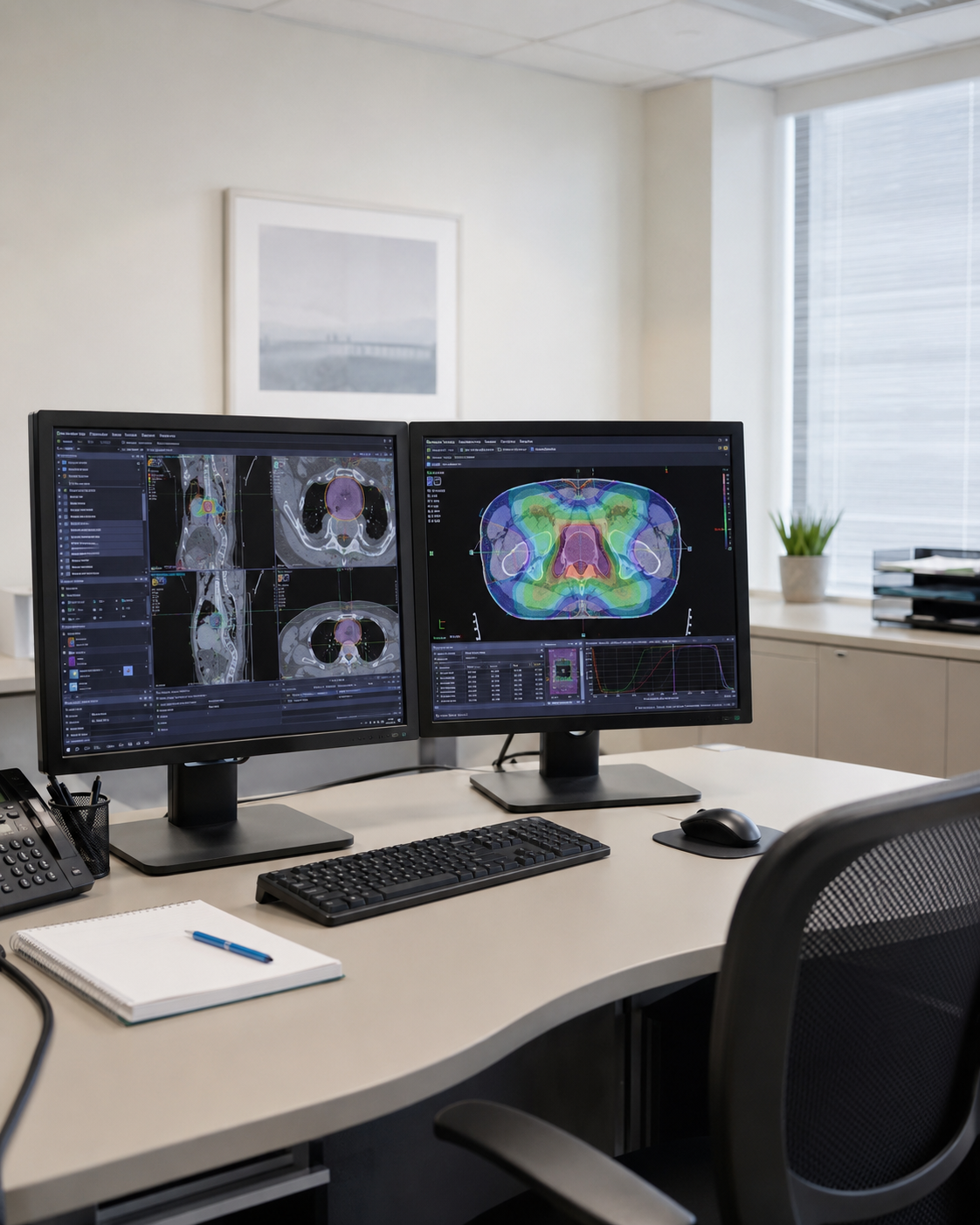
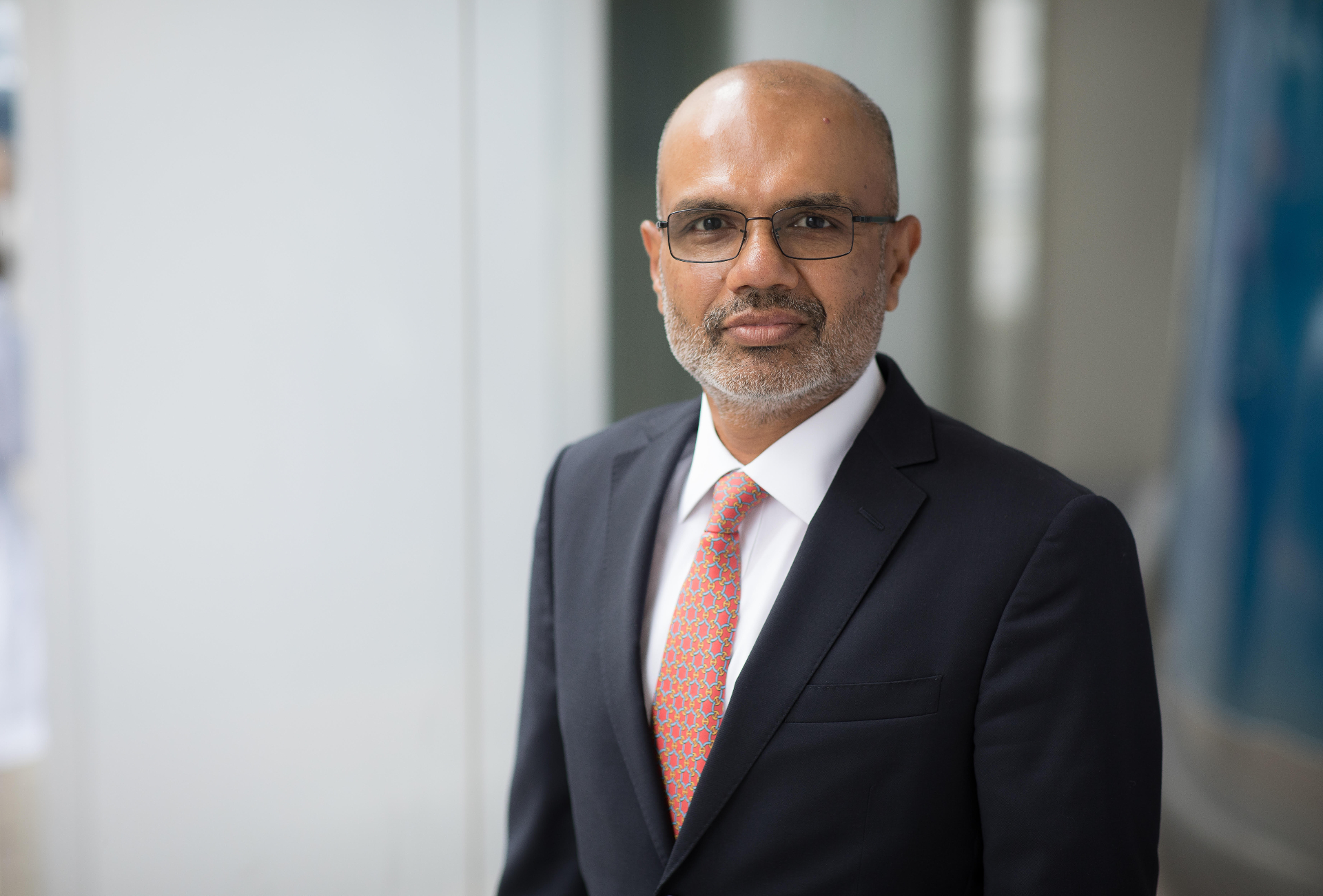
Doctors use CT scans and, where needed, MRI or PET imaging to define the tumour and the structures around it. Physicists design the treatment plan, adjusting the direction and intensity of the beams. The plan is tested before it is delivered.
The experience in the room may feel simple because the complexity has already been carried elsewhere.
I find that reassuring. Behind the machines, algorithms and sophisticated imaging is a human intention: to decide exactly what needs to be treated and what deserves to be spared. Understanding the planning can make an invisible treatment feel more tangible. And I feel that understanding is something that only comes with time. The longer these treatments are around, the more we will be able to make sense of them.
What precision is trying to preserve
Earlier radiation techniques often treated a broader area because doctors had less detailed information about the tumour’s shape and position. Modern systems can now shape radiation more closely around the cancer while reducing exposure to nearby organs.

As radiation oncologist Dr Swarupa Mitra told me during our conversation, “Radiation fields have become smaller and more conformal to the target area, and hence sparing more and more of normal tissues around.”
What struck me about that was the idea that progress in cancer treatment is measured not only by how effectively doctors can attack a tumour, but also by how much of the person they can leave untouched. Precision becomes meaningful in the parts of life it helps protect.
A side effect described as mild during a consultation can still reorganise daily life. Quality of life is made up of ordinary functions: being able to eat comfortably, sleep through the night, travel without worrying about sudden symptoms, return to work, exercise, or simply move through the day without constantly thinking about the treatment.
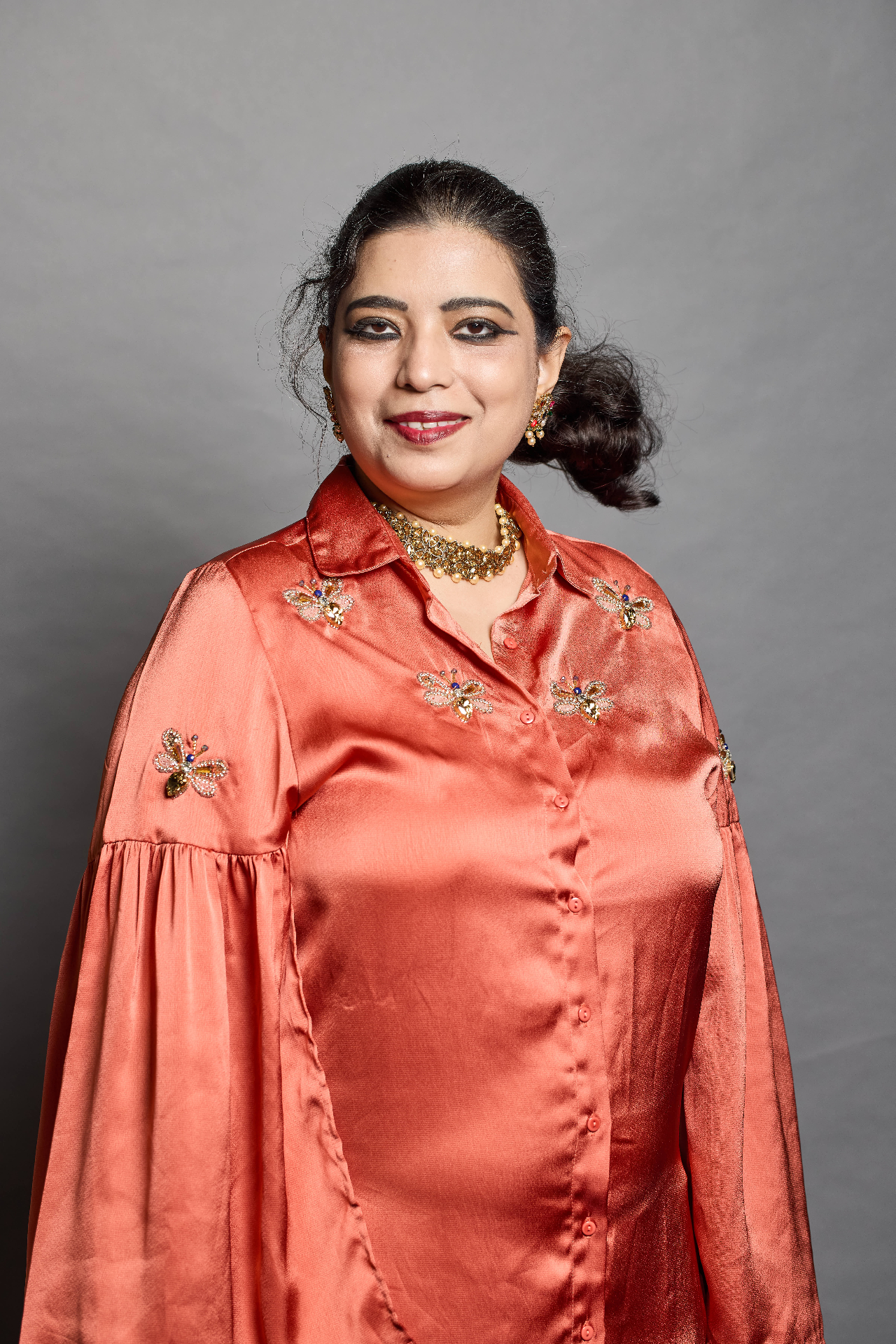
Dr Urvashi Prasad, who lives with ALK-positive lung cancer and advocates through ALK Positive India, described the reality of long-term targeted therapy. Although it typically causes fewer side effects than traditional chemotherapy, she emphasised that experiences vary widely. “It is not just about taking one targeted therapy tablet,” she told me. Even on a reduced dose of Lorlatinib, she manages multiple effects through regular blood tests, ultrasounds, ECHOs and ECGs, alongside supportive medication.
Something that keeps coming up in my conversations around cancer is that the management of side effects, pain and discomfort is no longer secondary. Advances in treatment now make it possible to consider these things alongside treating the disease itself, rather than only after the damage has been done.
When treatment takes up less of a life
One of the most significant changes in radiation therapy is the move towards shorter treatment courses. Some cancers can now be treated with larger doses over fewer visits, including through stereotactic and hypofractionated radiation.
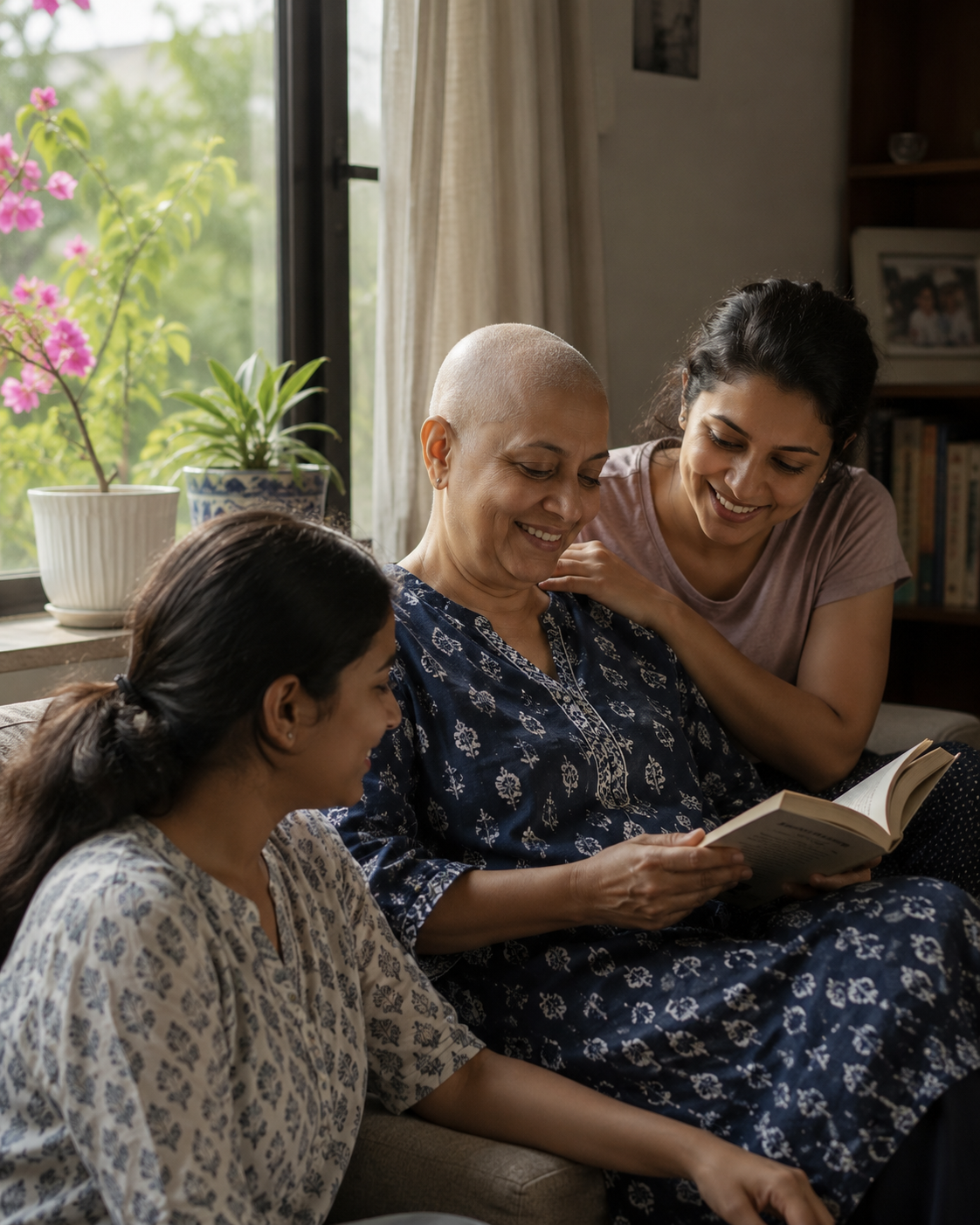
Dr Mitra told me that “since the duration has become shorter, it is more convenient for patients and hence the compliance to radiation has improved.”
What stayed with me here was the word compliance. In clinical terms, it means that patients are more able to complete the treatment planned for them. In daily life, it may mean that care becomes easier to fit around work, family responsibilities, travel and exhaustion.
A shorter course doesn’t necessarily make cancer feel smaller. It can, however, reduce the amount of life that treatment is allowed to occupy. In my opinion, that is so critical, especially when so much else already feels beyond the patient’s control.
Knowing what you don’t know
One thing I kept thinking about during this conversation was how difficult it must be to make decisions about treatment when you don’t yet understand the landscape of cancer care.
Most people don’t arrive at a diagnosis already knowing the difference between surgery, chemotherapy, immunotherapy, stereotactic radiation, brachytherapy or targeted therapy. They don’t know which treatments can be combined, which are alternatives to one another or which questions are worth asking. They are simply trying to absorb the fact that they have cancer.
Dr Prasad explained that “biomarker testing completely changes the diagnosis, treatment and prognosis.” Finding a targetable mutation such as EGFR, ALK or ROS1 can transform what a stage 4 lung cancer diagnosis means. Yet she also stressed that access remains “uneven and inequitable,” and that not every patient knows about testing or can afford it.
She also pointed to inequalities in research: “A lot of this research is happening outside India, but unfortunately very little in India, and it is not so easy for Indians to access clinical trials overseas.”
Modern cancer care may be increasingly personalised, but that progress is limited when access to research, testing and emerging treatments remains uneven. Personalisation is meaningful only when patients are able to understand the options available to them and have a realistic chance of reaching them.
My Takeaway
I began this episode expecting to learn about newer machines and shorter courses of radiation. I came away thinking about the emotional distance between a cancer diagnosis and the few minutes in which treatment may actually be delivered.
So much happens outside the patient’s view: imaging, contouring, dose calculations, quality checks and discussions between specialists. Then the patient lies down, the machine moves and they may feel nothing.
A treatment can be powerful without looking dramatic. It can involve immense complexity while asking relatively little of the patient in the moment. It can remain frightening while being far more precise and manageable than the stories many of us inherited.
These advances matter for what they may return to a person: fewer journeys to hospital, less exposure to healthy tissue, a wider understanding of their options and more room for ordinary life to continue.
Cancer care can still be gruelling and uncertain. Modern radiation does not make every treatment brief or every side effect avoidable. It does, however, challenge the assumption that suffering must always be extensive for treatment to be serious or effective.
Perhaps the most useful thing a conversation like this can offer is a clearer place from which to begin. Fear may remain, although it no longer has to be built entirely from an outdated picture.
Listen to the episode
Modern Radiation Therapy: Stereotactic Radiation, Brachytherapy and Short-Course Treatment
with Dr Madhur Garg